

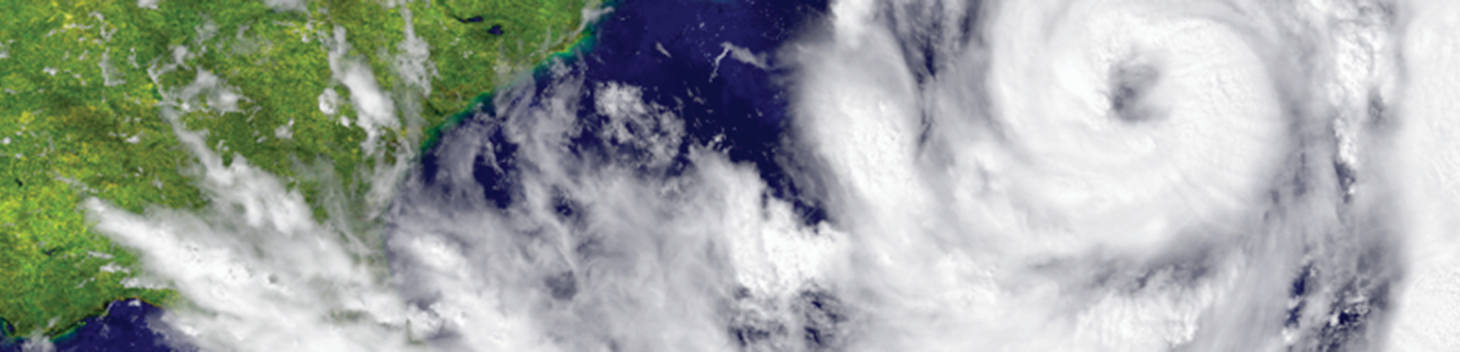
Hurricanes are a fact of life in South Carolina and the South Carolina Department of Public Safety is dedicated to ensuring the safety of the traveling public.
Each year, our agency works together with the South Carolina Department of Transportation, the South Carolina Emergency Management Division, and other state and local agencies to ensure an effective, coordinated response in the event of an evacuation to safely and efficiently move coastal residents and visitors inland.
It is important to remember — know your zone, know your route, follow the blue evacuation signs and directions from law enforcement, and make sure your vehicle is well-prepared for travel. And when it's time to evacuate, we'll be there to guide you.
Facts About Hurricanes in South Carolina
Hurricane Season begins June 1 and runs until November 30 each year. The SC Department of Public Safety is the lead agency for emergency traffic management.
Hurricanes bring the threat of high winds, tornadoes, heavy rains, flooding and storm surge along the coast. South Carolina is vulnerable to all types of hurricane hazards.
In the event of a mandatory evacuation order by the Governor, the South Carolina Highway Patrol may temporarily reverse the traffic lanes along Interstate 26 and other U.S. highways. Lane reversals reduce the amount of time required to evacuate the coast by 3-4 hours.
Before the hurricane
- Prepare for potential hurricanes by making a plan, stocking up on supplies, and staying informed.
- If a large storm is close, consider staying outside the vulnerable area with family and friends or in a hotel. Be ready to drive at least 20 to 50 miles inland to locate a safe place.
- If you live in a vulnerable area, be sure to review your zone and your evacuation route to prepare for a mandatory evacuation order from the Governor.
- Review your zone on SCEMD's Know Your Zone webpage here.
- Review your evacuation route on SCDOT's Evacuation Route map here.
- You can also review these zones and routes in the latest SCEMD South Carolina Hurricane Guide here.
- If and when you evacuate, you should follow the blue Hurricane Evacuation Route signs (NOT your GPS) and the guidance of law enforcement during an evacuation to get inland in the most efficient and safe way possible. Find out more information on this process in the video below.
Learn more about preparing for hurricanes at the SC Emergency Management Division's hurricane website with all the resources you need to stay safe at Hurricane.SC.
Also, download the SC Emergency Manager App ahead of a storm and stay informed with the latest emergency weather updates. You can get the SC Emergency Manager App on Google Play and the App Store.
During a hurricane
- Avoid travel, if possible. If you must travel, notify a friend or family member of your intended route, estimated arrival, and final destination.
- Stay indoors in a sturdy structure, away from windows and doors—even if they are covered. Seek shelter in an interior room, closet, or under the stairs on the first floor, especially during tornado watches and warnings.
- Hurricanes often spawn tornadoes. If the “eye” of the storm passes over your area, be ready for severe conditions to return quickly.
- Minimize non-emergency calls to reduce network congestion. Keep calls brief and wait at least 10 seconds before redialing. For non-emergencies, consider sending text messages instead.
- During a power outage, it’s important to stay informed by tuning into local TV and radio stations. Use a battery-operated, solar-powered, or hand-crank radio or TV to stay connected.
After a hurricane
- Avoid unnecessary travel as threats will continue in the hours after a storm has passed, specifically the chance of downed trees, power lines, and flooded roads.
- Be alert for driving restrictions and road conditions. Use the SC Department of Transportation resources available at 511sc.org, on the 511 SC App, and the SC Traffic and Road Conditions webpage.
- Avoid flooded or washed-out roads, including bridges. If you see a road closed sign, turn around. These signs are in place for a reason. Remember, it takes only 6 inches of floodwater to cause vehicles to lose control and stall out. It takes only 12 inches of floodwater to carry most vehicles away.
- Always follow the instructions of local public safety officials.
- Review other post-hurricane actions in the latest South Carolina Hurricane Guide here.